
Music theory games based on what is written on the staff. You do not sing and there is no microphone. In some games you recognize what is written and press the right answer before time runs out; in Soccer, Clay Target Shooting and Billiards you are the one who writes the notes. In some games speed counts and in others only accuracy. They are free, they run in the browser and there is nothing to install.
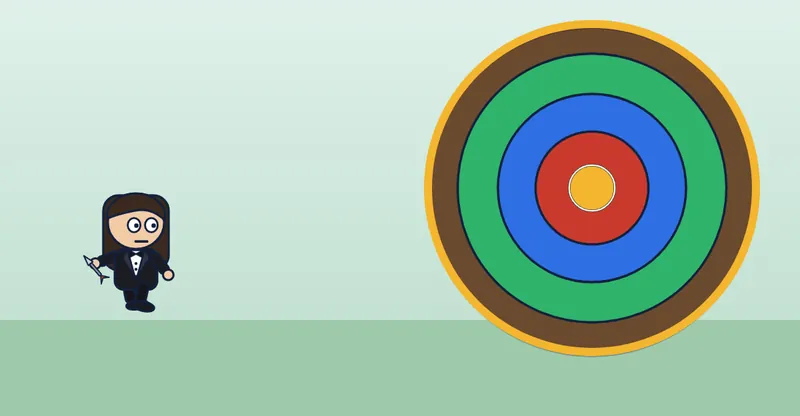
Darts
An interval is written on the staff and you have to name it before time runs out: the faster you answer correctly, the closer to the bullseye your dart lands. Three darts per turn, three turns per game.
Play Darts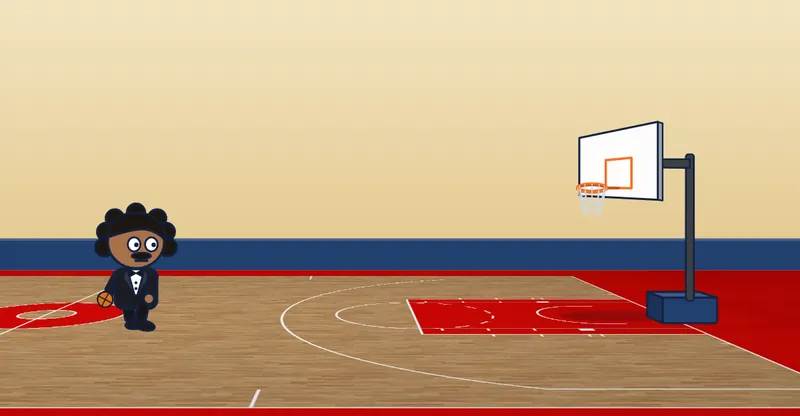
Basketball
A whole scale, up and down, is written on the staff and you have to name it exactly (tonic and type) before time runs out. Before each shot you choose a free throw, a 2-pointer or a three-pointer: the bigger the risk, the more points you win. Three shots per turn, three turns per game.
Play Basketball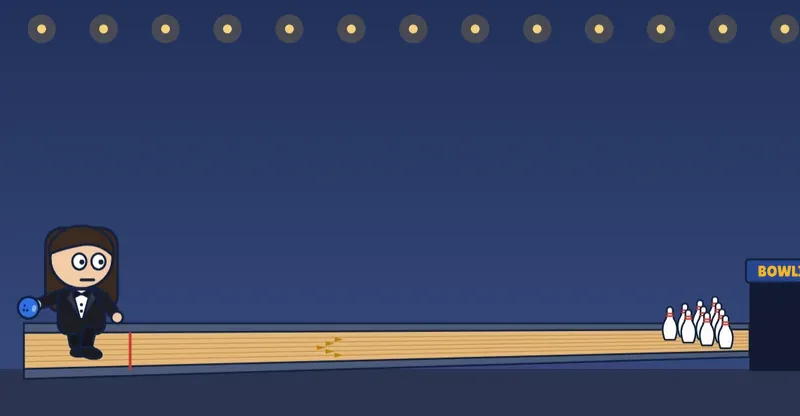
Bowling
A triad is written on the staff. With the first ball you name its position (root position, 1st or 2nd inversion) and with the second its type. Each correct answer knocks down 5 pins, and getting both right is a strike. Speed does not count, only accuracy. Five frames per game.
Play Bowling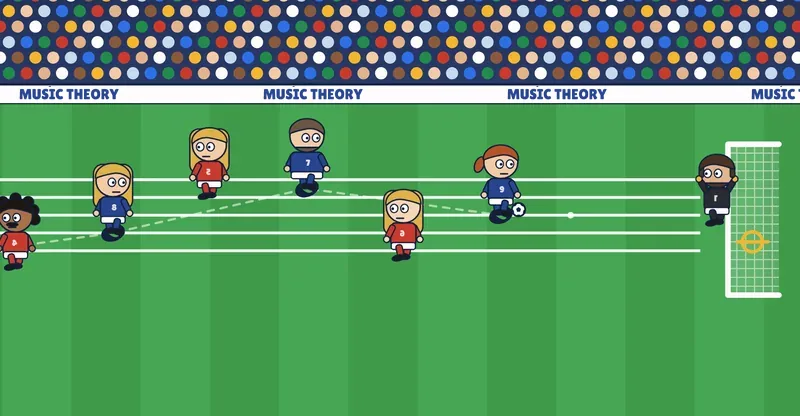
Soccer
Here you do not recognize, you build. Each pass is an interval you write on the staff above the note of the player holding the ball, and the note you write is the teammate who receives it. Three passes and a shot per attack; only goals count. Five attacks per match.
Play Soccer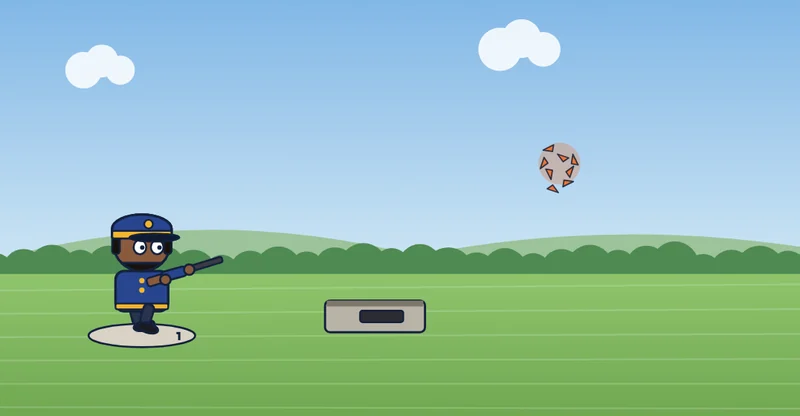
Clay Target Shooting
Each target is a scale that you write: first its key signature, accidental by accidental, and then the scale, note by note. If everything is right, you break the target. Three targets per game, major and minor scales in any key.
Play Clay Target Shooting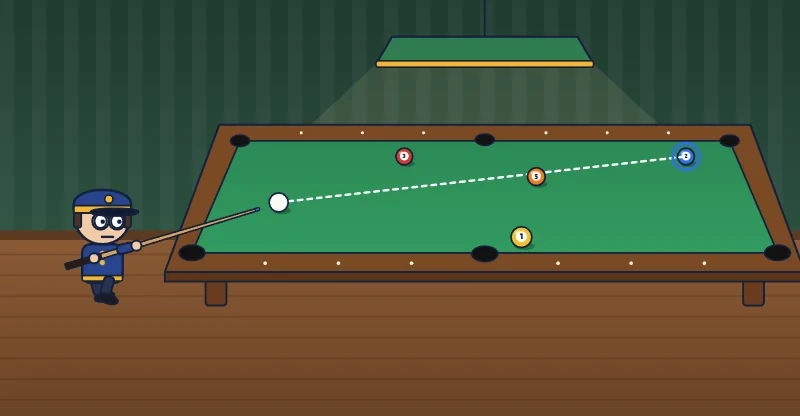
Billiards
Each ball carries a triad: you choose which one to play and build the chord on the staff. If it is right, the ball drops; if not, it stays on the table so you can try again. Five balls, in root position and inversions.
Play BilliardsWhat these games train
Recognizing written theory at full speed is a different skill from solving it calmly: it is the same one you need to sight-read, follow a score or tune by ear in a rehearsal. These games train exactly that:
- Identifying at a glance: recognize an interval, a note or a chord without counting step by step.
- Writing without hesitating: build an interval from any note, a scale with its key signature or a chord in any position, with the exact accidentals, as in written conservatory exercises.
- Deciding with the clock running: each answer has its time limit, just like reading a piece at the real tempo; in Darts, the sooner you answer correctly, the more you score.
- Progressing by difficulty: from natural notes to single and double accidentals, each game has several levels.
Before you play
These games never use the microphone: you play with the mouse, your finger or the keyboard. Each game keeps its own leaderboard on your device and, if you want, a world leaderboard under your nickname.
If you would rather work through problems calmly instead of racing the clock, try the music theory exercises. If you want to sing, there are the singing games, and to train your ear, the ear training games.