
The diminished seventh chord is a four-note chord built on the seventh degree (the leading tone; UK: leading note) of the minor key, or of the major key with a lowered sixth degree. It is made of three minor thirds stacked on top of each other. It is the most tense of the seventh chords. For background, see the pages on scale degrees and musical intervals.
Construction and unique properties
In the harmonic minor scale, the raised seventh degree (the leading tone) gives the diminished seventh chord. In A harmonic minor:
- Root: G♯ (degree VII, the leading tone)
- Minor 3rd: B (3 half steps; UK: semitones)
- Diminished 5th: D (6 half steps)
- Diminished 7th: F (9 half steps)
The most unusual property of this chord is that all its notes are a minor third apart (exactly 3 half steps each). This makes the chord symmetrical: all four of its inversions have the same structure of intervals. In practice, a diminished seventh chord can be spelled in four ways, because the same four pitches can be named from any of them as the root: G♯°7, B°7, D°7 and F°7 contain the same sounds (with enharmonic respelling of the notes).
This ambiguity makes it one of the most common chords for modulating suddenly to distant keys: from any of its four notes it can be resolved as the leading-tone chord of a different key.
Comparison with the half-diminished chord
The half-diminished chord is the leading-tone seventh chord: it starts from the same diminished triad, but its seventh is minor instead of diminished, so it appears in major and is not symmetrical. The table sums up the difference:
| Chord | 3rd | 5th | 7th | Where it appears |
|---|---|---|---|---|
| Half-diminished seventh (viiø7) | Minor (3 half steps) | Diminished (6) | Minor (10) | Major key (degree VII) |
| Diminished seventh (vii°7) | Minor (3 half steps) | Diminished (6) | Diminished (9) | Harmonic minor key (degree VII) |
Root position
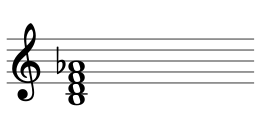
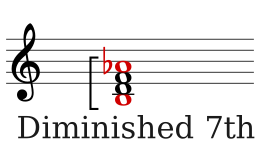
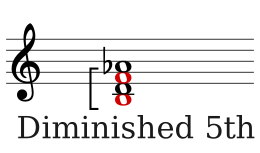
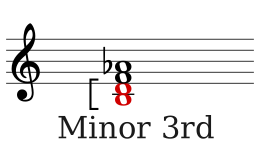
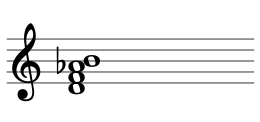
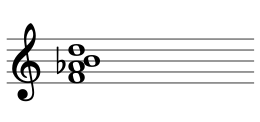
The examples below use C harmonic minor, where the chord is B–D–F–A♭. It is built with a minor 3rd, a diminished 5th and a diminished 7th above the root.
Figured bass
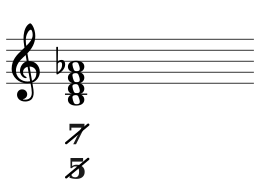
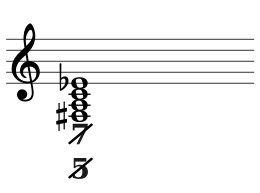
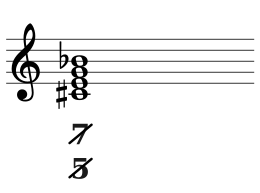
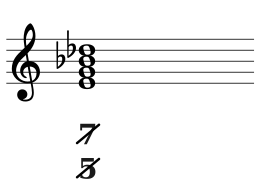
The figured bass is a slashed 7 and a slashed 5: the slashed 7 says that the seventh is diminished and the slashed 5 says that the fifth is diminished. It is the same in every key.
First inversion
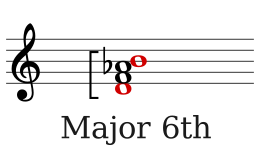
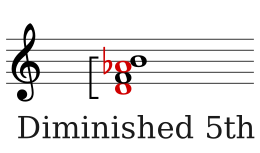
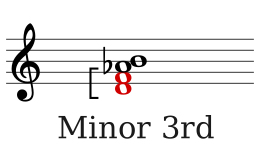
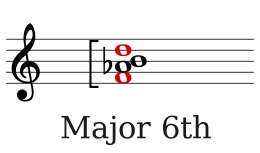
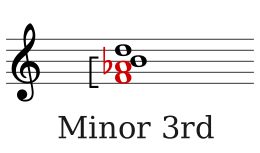
The third is in the bass. Above the bass the chord has a minor 3rd, a diminished 5th and a major 6th.
Figured bass
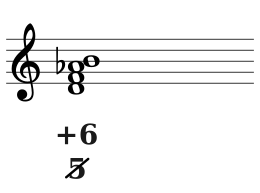
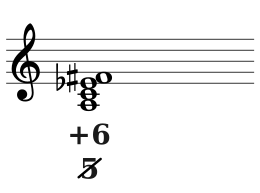
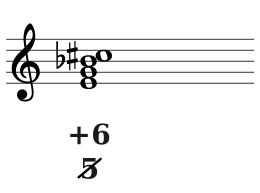
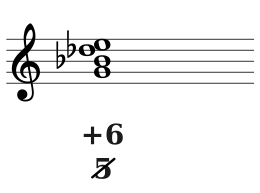
The figured bass is +6 and a slashed 5: the +6 says that the leading tone is a sixth above the bass and the slashed 5 says that the fifth is diminished. It is the same in every key.
Second inversion
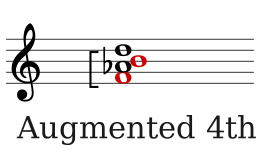
The fifth is in the bass. Above the bass the chord has a minor 3rd, an augmented 4th and a major 6th.
Figured bass
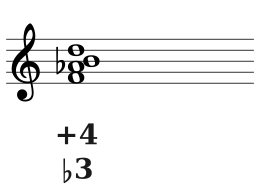
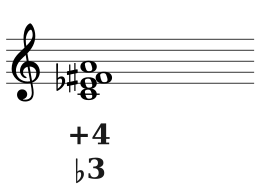
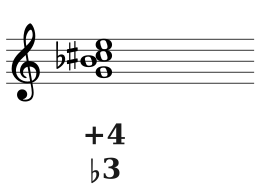
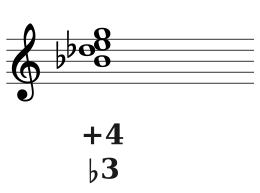
The figured bass is +4 and the corresponding accidental on the 3: the +4 says that the fourth is the leading tone, and the 3 with whatever accidental the key requires gives the third. The figured bass varies with the key.
Third inversion
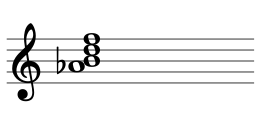
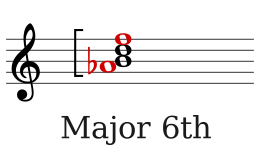
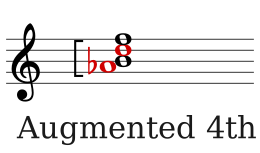
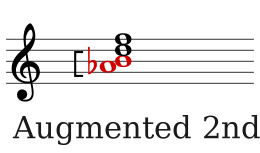
The seventh is in the bass. Above the bass the chord has an augmented 2nd, an augmented 4th and a major 6th.
Figured bass
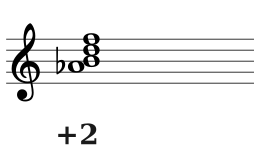
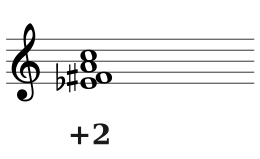
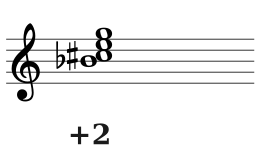
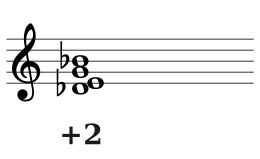
The figured bass is +2: the +2 says that the second is the leading tone. It is the same in every key.