
The horn (also called the French horn) is the warm, noble voice of the brass family, with a round tone that makes it essential in the orchestra and the concert band. The left hand works the rotary valves while the right hand rests inside the bell. Most players use a double horn in F/B♭: two instruments in one, switched with the thumb valve. The horn is a transposing instrument: the horn in F sounds a perfect 5th below the written note. On this page you will find its notes, written and sounding, and a complete fingering table for both sides of the double horn.


| Family | Brass |
|---|---|
| Pitch | F (double horn in F/B♭) |
| Transposition | Yes: sounds a perfect 5th below the written note |
| Range in the table below | Written C2–C6, which sounds F1–F5; a very wide range of about four octaves |
| Valves | 3 finger rotors + a thumb rotor (F/B♭ switch) |
| Clef | Treble (and bass for the low notes) |
| Also called | French horn |
How are the notes produced? Harmonics and rotary valves
As on every brass instrument, the sound starts at the lips, which vibrate against the mouthpiece. With one fixed length of tubing, changing the tension of the lips gives a series of harmonics. The horn has a very long, narrow tube, so it works on very high, closely spaced harmonics. That is why it is a delicate instrument to play in tune and why it is so exposed (one reason for its reputation as a difficult instrument).
The valves are of the rotary type on the horn (rotors worked by levers). They fill the gaps between the harmonics: each one adds tubing and lowers the pitch, as the pistons of the trumpet do.
| Valve | Lowers the note by |
|---|---|
| 2nd | a half step (UK: semitone), 1 half step |
| 1st | a whole step (UK: tone), 2 half steps |
| 1st + 2nd | a whole step and a half, 3 half steps |
| 2nd + 3rd | two whole steps, 4 half steps |
| 1st + 3rd | two and a half whole steps, 5 half steps |
| 1st + 2nd + 3rd | three whole steps, 6 half steps |
For centuries the horn was a natural horn (without valves) and could only play the notes of the harmonic series of its tubing; to change key, the player inserted crooks (extra lengths of tubing). Valves arrived in the 19th century and gave the horn the full chromatic scale without losing the noble tone it started with.
The double horn: the F side and the B♭ side
The modern horn is almost always a double: it holds two instruments in one. The F side (long tubing) has a warmer, darker sound and works better in the low register; the B♭ side (shorter tubing) is surer and more focused in the high register. The player switches from one to the other with the thumb valve (the change valve).
In practice, almost every note can be played on both sides, with different fingerings. The sounding note is the same; only the tubing changes. The player chooses the side that is more in tune or more secure in each passage; as a general rule, F side in the low register, B♭ side in the high register. The choice varies from player to player, so the table below shows both fingerings for every note.
About the thumb: this table follows the layout in which the thumb valve is pressed for the F side and up for the B♭ side (the layout used on this page). The opposite layout also exists, depending on the maker and on the country, so check how your horn is set up before you rely on the thumb column.
Is the horn a transposing instrument? The horn in F
The standard horn is in F and transposes: it sounds a perfect 5th below the written note. A written C4 sounds F3. Every note name in the table on this page is a written note. Low notes are written in bass clef and the rest in treble clef.
| Written note | Sounding pitch |
|---|---|
| C4 | F3 (a perfect 5th lower) |
| G4 | C4 |
| C5 | F4 |
The B♭ side of the double horn does not change this transposition: the music is still read and written for the horn in F. The B♭ side is just another way to play the same written note. Horn parts are always written for the horn in F, whichever side the player uses.
Range and registers
The horn has a very wide range. This page covers written C2 to C6, about four octaves, which sounds F1 to F5. The lowest notes (the pedal register) are advanced territory, and the high register demands great control of lips and air. In the table you can see, for every note, the recommended fingering on the F side and on the B♭ side.
Why is the horn so difficult?
The horn has a reputation as one of the most difficult instruments, and there are physical reasons for it:
- Very close harmonics. Its long, narrow tubing works on high harmonics that lie very close together: a tiny change in the lips jumps to the neighboring note, so it is easy to crack a note (UK: split it).
- Very exposed. It often plays in the open: solos, long notes, sustained chords. Any slip is heard.
- Delicate intonation. It has to be adjusted on the fly with the lips and with the hand in the bell; it does not tune itself.
- Two instruments in one. Choosing between the F side and the B♭ side note by note adds one more layer of decisions.
The horn in the orchestra and the band
Few instruments have such an expressive role. In the orchestra the horn is the heart of the brass section: it sustains harmonies, sings lyrical melodies and plays some of the great solos of the repertoire (from Mozart to the film scores of John Williams). In the concert band, which is very present in the Valencian tradition, it adds body and warmth between the woodwinds and the heavy brass. Its technique is unusual: it is held with the left hand on the valves while the right hand goes inside the bell, adjusting intonation and color. Do not confuse it with the trumpet (higher and with piston valves) or with the flugelhorn.
The hand in the bell: stopped horn
The right hand inside the bell does more than hold the horn: depending on how far you close it, you get characteristic effects that change the color and the intonation, and therefore the fingering.
- Open hand (normal position): the hand, cupped inside the bell, gives the horn its round, warm tone and is used to tune on the fly.
- Stopped horn (bouché in French, gestopft in German): when the bell is closed completely with the hand, the sound becomes nasal, metallic and piercing. It is marked in the score with a + above the note (and cancelled with an o). The important point for the notes: stopping raises the pitch by about a half step, so the player fingers a half step lower than written to sound in tune (or uses the built-in stopping valve that some horns have).
- Half-stopped and echo: partial closing of the hand, for veiled sounds or echo effects.
There are also mutes (made of fiber or metal) that imitate the stopped effect without using the hand. Depending on the model, some raise the pitch and some do not.
| Written note | On the staffbass · treble clef | F sidethumb pressed1 2 3 T | B♭ sidethumb up1 2 3 T | Soundshorn in F |
|---|---|---|---|---|
| C2 | 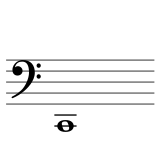 | ○○○● | ●○●○ | F1 |
| C♯2D♭2 | 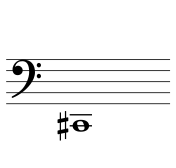 | — | ○●●○ | F♯1G♭1 |
| D2 | 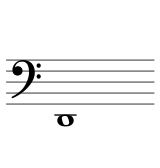 | — | ●●○○ | G1 |
| D♯2E♭2 | 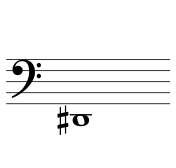 | — | ●○○○ | G♯1A♭1 |
| E2 | 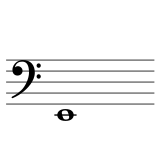 | — | ○●○○ | A1 |
| F2 | 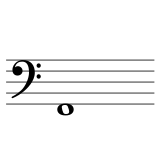 | — | ○○○○ | A♯1B♭1 |
| F♯2G♭2 | 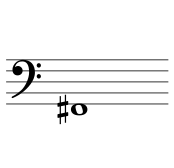 | ●●●● | — | B1 |
| G2 | 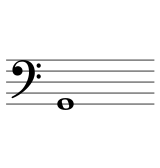 | ●○●● | — | C2 |
| G♯2A♭2 | 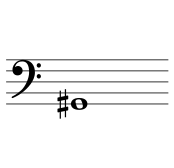 | ○●●● | — | C♯2D♭2 |
| A2 | 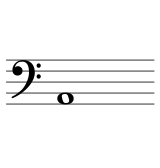 | ●●○● | — | D2 |
| A♯2B♭2 | 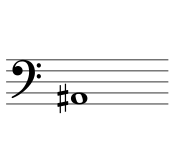 | ●○○● | — | D♯2E♭2 |
| B2 | 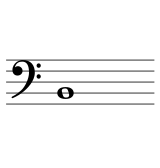 | ○●○● | ●●●○ | E2 |
| C3 | 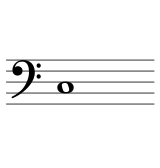 | ○○○● | ●○●○ | F2 |
| C♯3D♭3 | 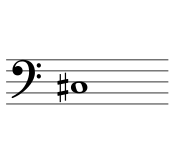 | ●●●● | ○●●○ | F♯2G♭2 |
| D3 | 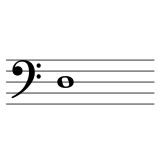 | ●○●● | ●●○○ | G2 |
| D♯3E♭3 | 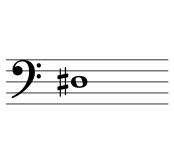 | ○●●● | ●○○○ | G♯2A♭2 |
| E3 | 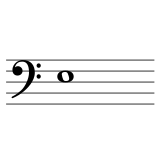 | ●●○● | ○●○○ | A2 |
| F3 | 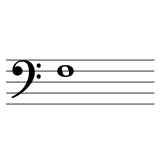 | ●○○● | ○○○○ | A♯2B♭2 |
| F♯3G♭3 | 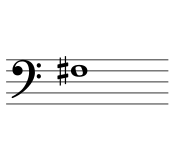 | ○●○● | ●●●○ | B2 |
| G3 | 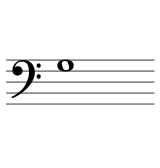 | ○○○● | ●○●○ | C3 |
| G♯3A♭3 | 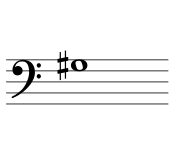 | ○●●● | ○●●○ | C♯3D♭3 |
| A3 | 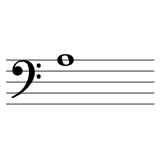 | ●●○● | ●●○○ | D3 |
| A♯3B♭3 | 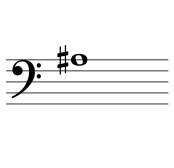 | ●○○● | ●○○○ | D♯3E♭3 |
| B3 | 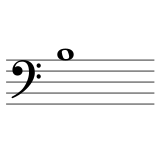 | ○●○● | ○●○○ | E3 |
| C4 | 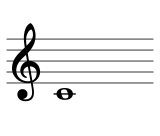 | ○○○● | ○○○○ | F3 |
| C♯4D♭4 | 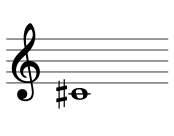 | ●●○● | ○●●○ | F♯3G♭3 |
| D4 | 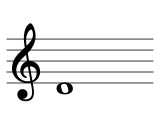 | ●○○● | ●●○○ | G3 |
| D♯4E♭4 | 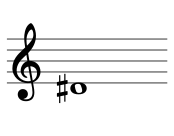 | ○●○● | ●○○○ | G♯3A♭3 |
| E4 | 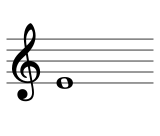 | ○○○● | ○●○○ | A3 |
| F4 | 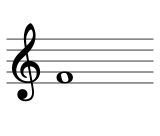 | ●○○● | ○○○○ | A♯3B♭3 |
| F♯4G♭4 | 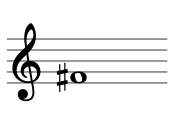 | ○●○● | ●●○○ | B3 |
| G4 | 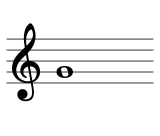 | ○○○● | ●○○○ | C4 |
| G♯4A♭4 | 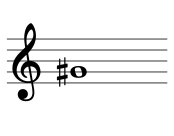 | ○●●● | ○●●○ | C♯4D♭4 |
| A4 | 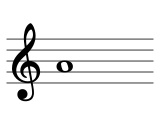 | ●●○● | ●●○○ | D4 |
| A♯4B♭4 | 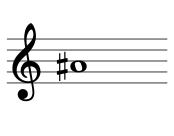 | ●○○● | ●○○○ | D♯4E♭4 |
| B4 | 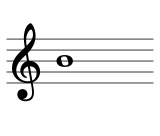 | ○●○● | ○●○○ | E4 |
| C5 | 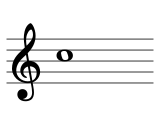 | ○○○● | ○○○○ | F4 |
| C♯5D♭5 | 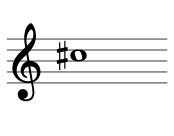 | ●●○● | ○●●○ | F♯4G♭4 |
| D5 | 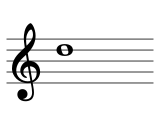 | ○○○● | ●●○○ | G4 |
| D♯5E♭5 | 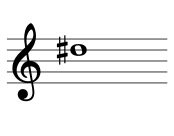 | ○●○● | ●○○○ | G♯4A♭4 |
| E5 | 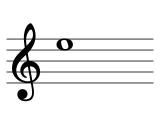 | ○○○● | ○●○○ | A4 |
| F5 | 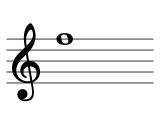 | ●○○● | ○○○○ | A♯4B♭4 |
| F♯5G♭5 | 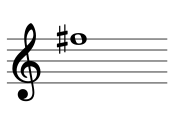 | ○●○● | ○●○○ | B4 |
| G5 | 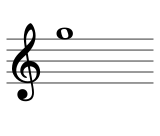 | ○○○● | ○○○○ | C5 |
| G♯5A♭5 | 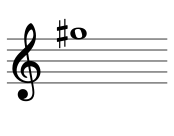 | ○●●● | ○●●○ | C♯5D♭5 |
| A5 | 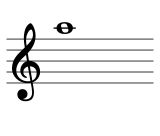 | ●●○● | ●●○○ | D5 |
| A♯5B♭5 | 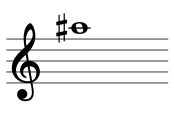 | ●○○● | ●○○○ | D♯5E♭5 |
| B5 | 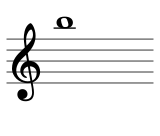 | ○●○● | ○●○○ | E5 |
| C6 | 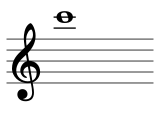 | ○○○● | ○○○○ | F5 |
● means the rotor is pressed and ○ means it is up. Rotors 1, 2 and 3 are for the fingers; T is the thumb rotor, which switches sides: thumb pressed plays the F side, thumb up plays the B♭ side (the layout used on this page; see the note on the thumb above). — means the note is not played on that side. Each cell is the best-in-tune fingering for that side, and the player chooses whichever sounds better in the passage. From written C4 upward the notes are in treble clef; below that, in bass clef. This table lists the highest notes (F♯5 to C6) on the F side only.
Horn fingerings
The table above gives, for every written note, the recommended fingering on the F side (thumb pressed) and on the B♭ side (thumb up): T is the thumb rotor and 1, 2, 3 are the finger rotors; “open” means no rotor at all. Some low notes can only be played on one side, shown with a dash on the other. The sounding pitch is in the last column.
The diagram shows two horns: the one on the left with the fingering for the F side (thumb pressed) and the one on the right for the B♭ side (thumb up). When you pick a note, the rotary valves you need to press light up (T = thumb/change valve, 1·2·3 = fingers), or none if it is "open". Some low notes can only be played on one side; in that case the other diagram is dimmed.
Pick a note to see its two fingerings, the note on the staff and its sound.
Printable worksheet (PDF)
The same table on paper, on two A4 sheets (the low notes in bass clef, the high notes in treble clef), with the two fingerings of each note: F side and B♭ side. And another two sheets to fill in: the 49 notes with the rotor columns left blank, so you can write the fingering yourself. The reference sheets work as the answer key.

Download the fingerings (PDF, 2 sheets) Download the fill-in sheets (PDF, 2 sheets)
Common mistakes when learning the horn notes
- Thinking each note has a single fingering. On the double horn almost all of them have two (F and B♭); choosing the better-tuned one for the passage is part of the technique.
- Mixing up written and sounding notes. The horn in F sounds a perfect 5th below the written note; the B♭ side does not change that, only the fingering.
- Forgetting the hand in the bell. The position of the right hand tunes the note and shapes the color; a badly placed hand puts the whole horn out of tune.
- Always relying on the same side. Staying only on the F side (or only on the B♭ side) leaves some notes out of tune or insecure that the other side would solve.
In short
- The horn is a brass instrument with rotary valves and a warm tone, played with the hand in the bell.
- Most are double horns in F/B♭: the thumb valve switches sides and almost every note can be played on both.
- It is transposing: the horn in F sounds a perfect 5th below the written note (written C4 sounds F3).
- Very wide range (here written C2–C6); it is the lyrical soul of the orchestra and the band.