
Musical instruments are grouped into families according to how they produce sound. In the symphony orchestra, four large groups are usually distinguished: strings, woodwinds, brass and percussion. In wind bands (concert bands), winds and percussion dominate. To study instruments in more detail, this dictionary uses seven families: it splits the strings into bowed and plucked, the percussion into pitched and unpitched, and adds the keyboard as a practical group.
On this page you will find the complete map: the seven families with a photo of each, how instruments are classified by the way they sound, and where each family appears in an orchestra, in a band and in the score.
The seven families of instruments
Click any of them to see its instruments, how they sound and how they are played:
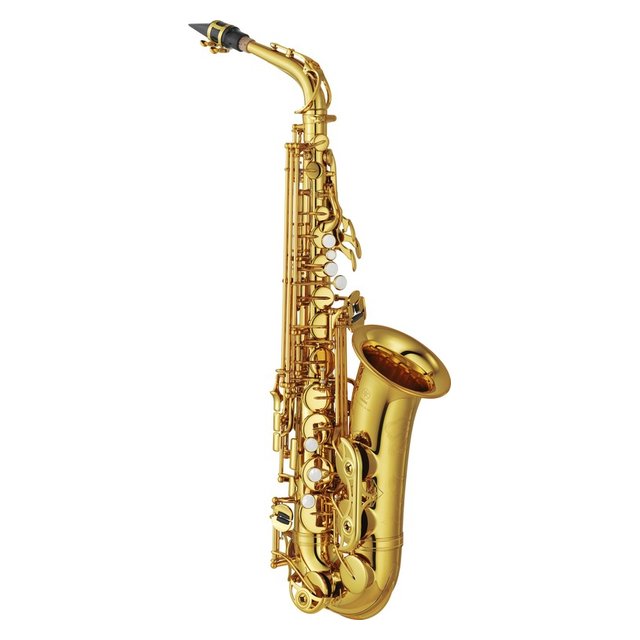
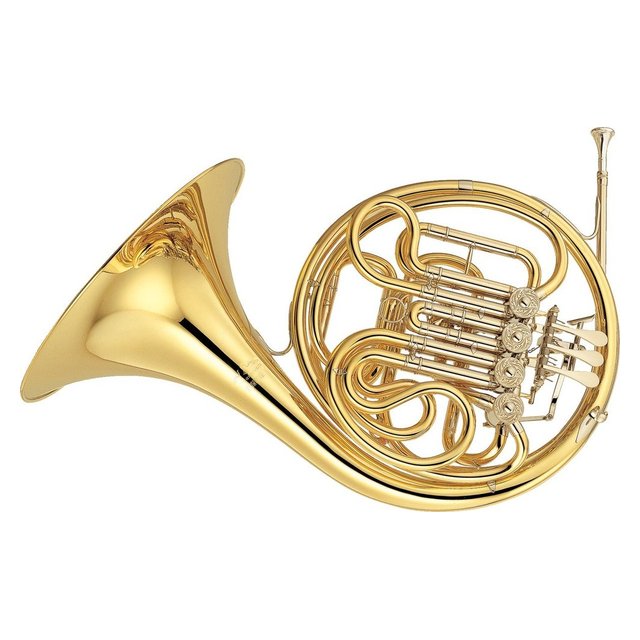
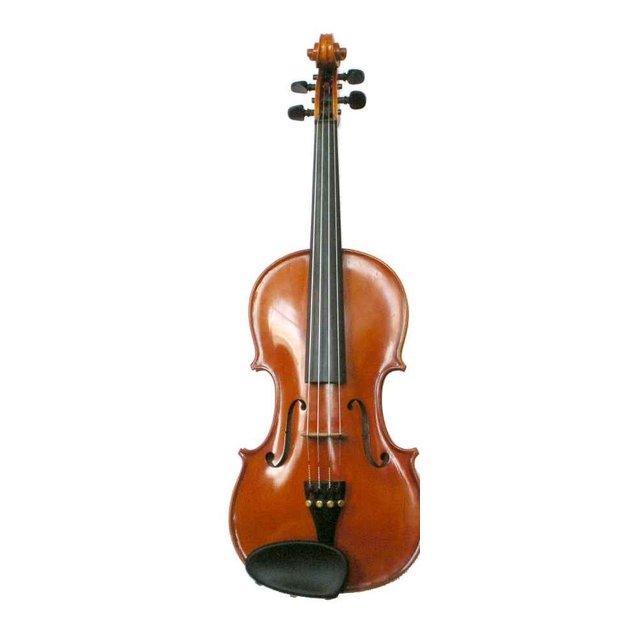
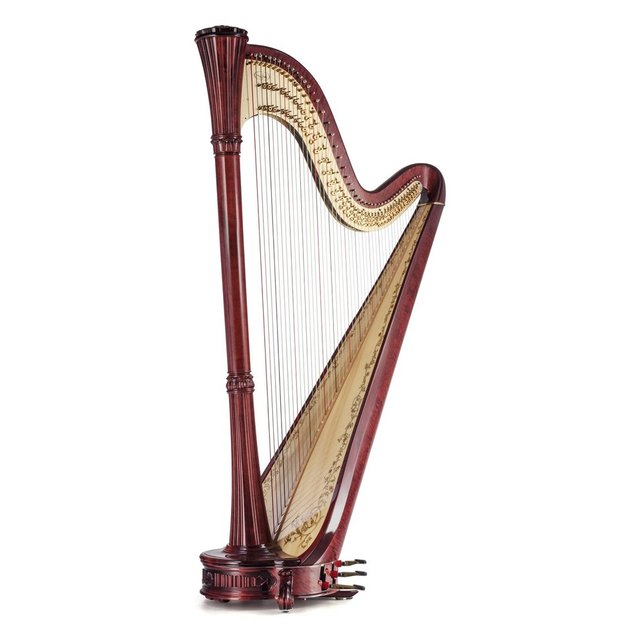
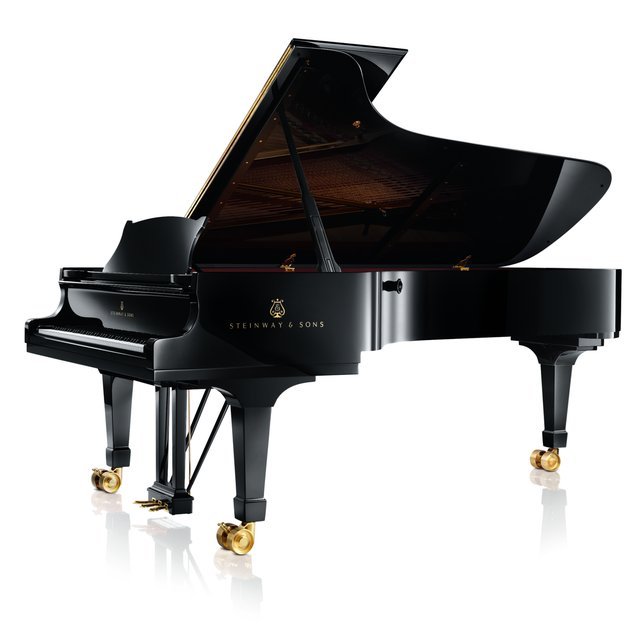
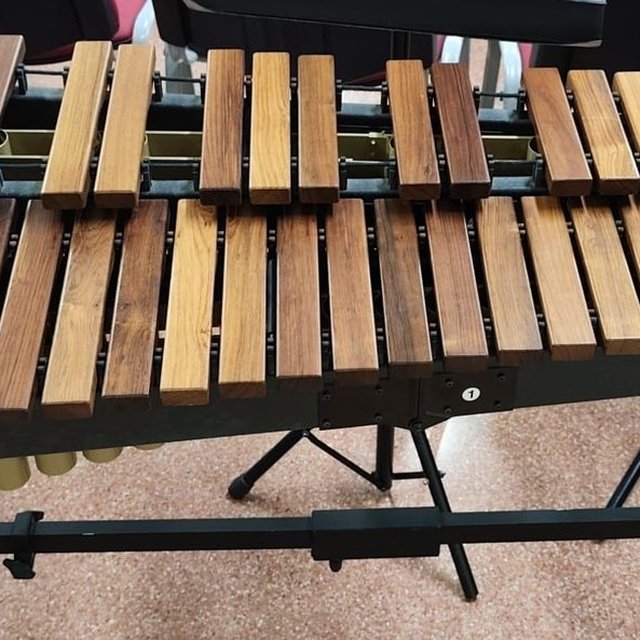
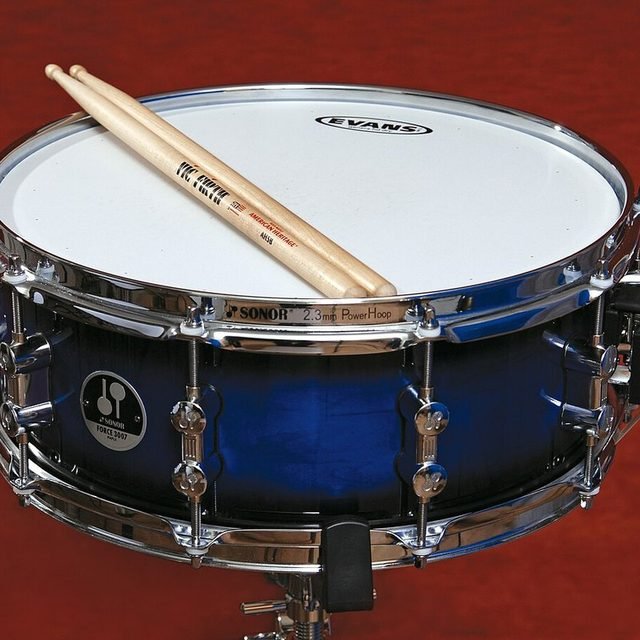


Photos from Wikimedia Commons, except the xylophone. Saxophone: Yamaha Corporation, CC BY-SA 4.0; Horn: Yamaha Corporation, CC BY-SA 4.0; Violin: Just plain Bill, public domain; Harp: N.S.M. s.p.a., CC BY-SA 4.0; Grand piano: Steinway & Sons, CC BY-SA 3.0; Xylophone: Eduardo Escrig; Snare drum: Vladimir Morozov, CC BY 2.0.


- Woodwinds: the air enters through a mouthpiece, an edge or a reed, and keys open or close holes. Flute, oboe, clarinet, bassoon and saxophone.
- Brass: the sound starts when the lips vibrate in a mouthpiece; valves, rotors or a slide change the length of the tube. Trumpet, horn, trombone and tuba.
- Bowed strings: a bow makes the string vibrate and the note can be sustained. Violin, viola, cello and double bass.
- Plucked strings: the string is plucked with the fingers or a pick and the sound dies away. Guitar, harp, mandolin and banjo.
- Keyboard: they are played with keys, but each one sounds in a different way. Piano, organ, harpsichord, accordion, synthesizer and celesta.
- Pitched percussion: they are struck and give definite notes. Xylophone, marimba, vibraphone, glockenspiel and timpani.
- Unpitched percussion: they are struck, shaken or scraped and are used mostly to produce sounds without a definite pitch. Snare drum, bass drum, cymbals, triangle and maracas.
How instruments are classified: by how they sound
There are two ways to group instruments. The traditional one, used in the orchestra and the band, is the seven families above. The scientific one is the Hornbostel–Sachs system (1914), which looks at the element that produces the sound:
| Category | Element that produces the sound | Examples |
|---|---|---|
| Chordophones | A string | Violin, guitar, harp, piano |
| Aerophones | A column of air set in vibration | Flute, clarinet, trumpet, organ, accordion |
| Membranophones | A membrane or drumhead | Snare drum, bass drum, timpani, congas |
| Idiophones | The body of the instrument itself | Cymbals, triangle, xylophone, marimba, castanets |
| Electrophones | The electronic generation or processing of sound | Synthesizer, electronic organ |
The two systems answer different questions. Hornbostel–Sachs groups instruments by the element that produces the sound and the way it is set in motion. That is why the violin and the piano are both chordophones (in the piano, strings sound, even though hammers strike them), and the organ and the accordion are aerophones, because their sound is made by air. The traditional classification, on the other hand, uses practical families such as woodwind, brass or bowed strings, which are very common in music study and in the organization of ensembles.
And a frequent trap: “wood” and “brass” do not describe the material. The modern flute is made of metal and is counted among the woodwinds; the saxophone is also made of metal, and it is a woodwind because it sounds with a reed.
Where each family appears: orchestra, band and other ensembles
Not every ensemble uses every family. This table summarizes who plays what, and how it changes from one ensemble to another:
| Family | Symphony orchestra | Wind band | Other ensembles |
|---|---|---|---|
| Woodwinds | Flutes, oboes, clarinets, bassoons | Flutes, oboes, clarinets, bassoons and saxophones | Big band: saxophones |
| Brass | Horns, trumpets, trombones, tuba | Trumpets, flugelhorns, horns, trombones, euphoniums, tubas | Big band: trumpets and trombones |
| Bowed strings | Violins, violas, cellos, double basses (the foundation) | Not usually part of the standard lineup; some bands add double basses | String quartet |
| Plucked strings | Harp (sometimes guitar or mandolin) | Rare | Spanish rondalla (plucked-string ensemble): bandurrias, lutes, guitars |
| Keyboard | Piano and celesta (organ in occasional works) | Occasional piano | Church: organ. Jazz and rock: piano, organ, synthesizer |
| Pitched percussion | Timpani, xylophone, glockenspiel, tubular bells | Xylophone, marimba, vibraphone, timpani | Percussion ensemble |
| Unpitched percussion | Snare drum, bass drum, cymbals, triangle… | Snare drum, bass drum, cymbals, triangle… | Rock band and drum set |
Notice a difference you can hear: the orchestra rests on the bowed strings, while the band is built on winds and percussion, which is why the repertoire of each sounds so different.
The families in the score
In orchestral and band scores, the instruments usually appear grouped in a conventional order, which can vary with the ensemble and the work. In an orchestral score, the woodwinds are usually placed above the brass and percussion, while the strings normally occupy the bottom. Knowing the families helps you find each instrument in the score.
Within each family, the instruments usually follow a standard order related to their register, from highest to lowest: for example, in the woodwinds, piccolo, flute, oboe, clarinet and bassoon. And each family has its own writing habits: many brass and several woodwind instruments are transposing instruments, and unpitched percussion uses its own percussion clef. To see how each instrument is read, see the notes on each instrument.
In summary
- Instruments are grouped into families according to how they produce sound. This dictionary distinguishes seven.
- The scientific classification (Hornbostel–Sachs) looks at the element that produces the sound: chordophones, aerophones, membranophones, idiophones and electrophones.
- Wood and brass do not refer to the material, but to tradition and to the way the sound is produced.
- The orchestra rests on the bowed strings; the band, on winds and percussion.
- In the score, the families usually follow a conventional order (in the orchestra, from the woodwinds down to the strings), which can vary with the work.